
Transformer Bed Structures
Transformer Bed Structures- Magnetic Winding Structure
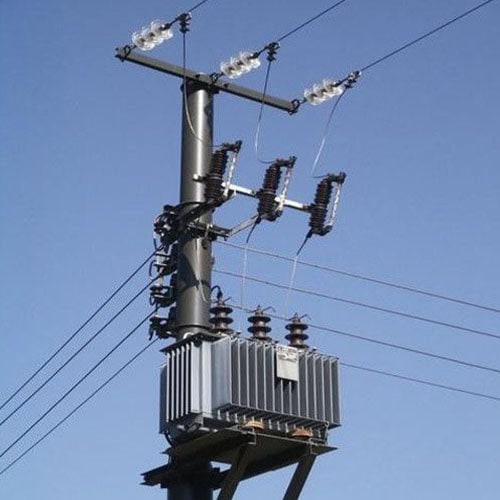
Transformer bed structures are the physical arrangement of the core and the windings. The structure is designed to maximise magnetic coupling and also minimise the loss of energy due to heat, noise, and eddy currents during voltage transformation. The bed in the transformer bed structure is referred to as the core that supports the windings. The transformer bed structures include transformer tank, base frame, and core clamping structures that are constructed in a way to support massive weight, structural integrity under short circuit forces, which helps in increasing long-term corrosion resistance. These structures are constructed using specialised steel alloys and are reinforced with insulating materials to manage magnetic leaks and electrical isolation. For the best transformer bed structure manufacturer in Punjab, you are at the right place. At Hi-Tech Engineers, we construct the transformer bed structures according to your requirements.
The Features Of Transformer Bed Structures
Laminated Constructions
The cores are not solid metals, and they are constructed by stacking the silicon steel sheets that are insulated from each other with oxide layers.
Core Type Construction
In core type construction, the structure has two vertical limbs and two horizontal sections that form a rectangular shape. The windings are placed around the limbs.
Shell Type Construction
In shell type construction, the core surrounds both the primary and secondary windings with a central limb carrying the full flux and two side limbs that complete the magnetic circuit.
For the good quality transformer bed structures according to your requirement, you can engage with the best transformer bed structure supplier in India.
Different Uses Of Transformer Bed Structures
Substation Foundation: The substation foundation is the large reinforced concrete foundation that is designed to carry the heavy weights of high voltage transformers. They also include anchor bolts and rails that help in securing against vibrations and short-circuit forces.
Furnace Transformer Bed: The furnace transformer beds are used in steel manufacturing industries, and the structure should support large arc furnace transformers that can handle intense thermal and electrical power.
Corrosion-Resistant Structures: Corrosion-resistant structures are used in harsh environments, such as offshore wind foundations that use specialised concrete or stainless steel components to prevent damage.
For the best quality of transformer bed structures, you can engage with the best transformer bed structure manufacturer in Mandi Gobindgarh.
FAQs
What are the best core materials for structures?
The best material for structures depends on the design and saturation flux density for different grades. The transformer cores are laminated to reduce the eddy currents and losses. The core consists of thin electrically insulated sheets that help in limiting the circulation of eddy currents.
Why are stepped cores used, and what is the purpose of the yoke section?
The stepped cores are used to reduce the space effectively, and also to obtain the reduced length of the turn of the windings, and to reduce the loss. The yoke is used to connect the limbs of the core, which helps in providing a closed path for the magnetic flux.
Is there any standard for the tank sheet thickness?
The power transformer panels usually use 8 mm- 12 mm steel sheets. The stiffeners are used to reduce the thickness of the steel sheets while maintaining the structural integrity of the sheets.
What are the key requirements for a transformer foundation?
The key requirements for the transformer foundation are a strong structure that includes a proper rail gauge, centre of gravity circulation, jacking pad locations and support points. The shock-absorbing wooden pads or a specialised steel base are used to protect the transport base.
Why does the tank top plate get hot?
The tank top plate gets hot due to stagnant oil with reduced flow, particularly in a dome-shaped top that can also cause higher top plate temperatures.
What are the types of base structures for the transformers?
The common base structure for the transformers is rail-mounted, which is used for the large power transformers. The rails are embedded in a concrete pad that helps in the easy positioning or removal to the maintenance area. Flat concrete pads are generally used for smaller transformers.
How to handle cabling around the base?
Cable trenches should be installed in or around the transformer foundation with non-flammable materials such as sand and pebbles, and should be secured with covers.
Why Hi-Tech Engineers?
Over 25 Years of Industry Experience
ISO 9001:2008 Certified, NSIC Approved
Full In-House Fabrication with CNC, Laser Cutting, HDG
End-to-End Solutions from Design to Delivery
Proven Supply Track Record with State Utilities & Private EPCs